
No products
Prices are tax excluded
Product successfully added to your shopping cart
There are 0 items in your cart. There is 1 item in your cart.
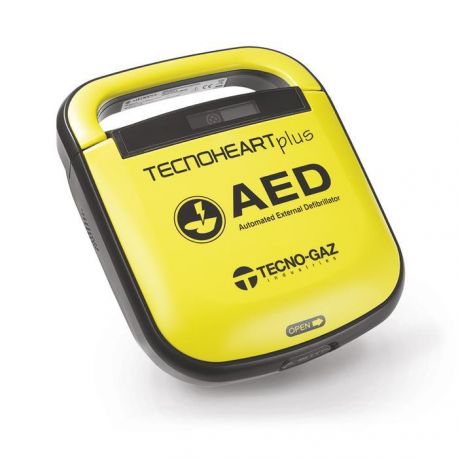
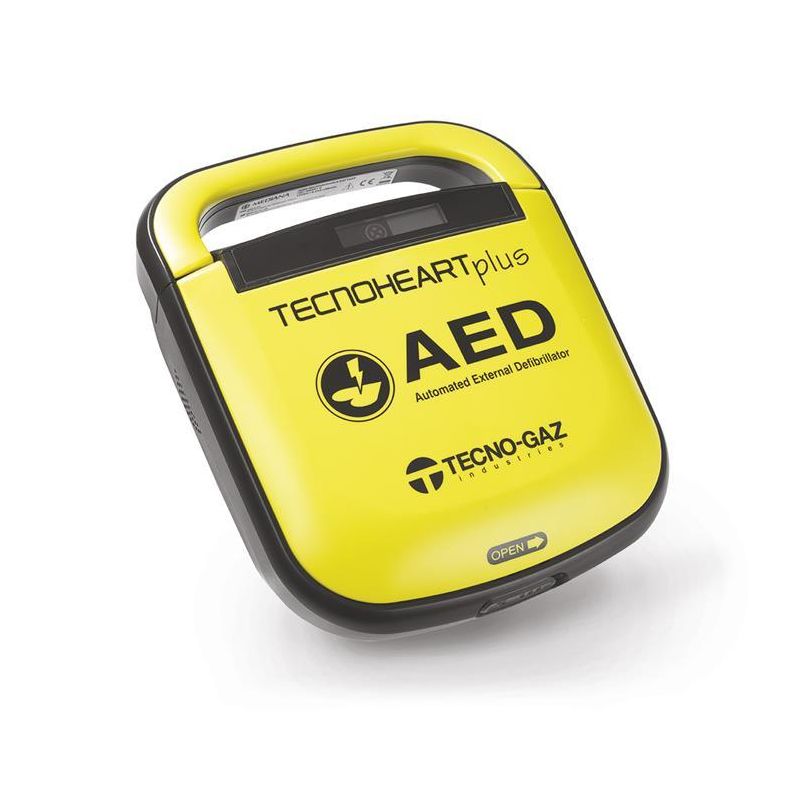
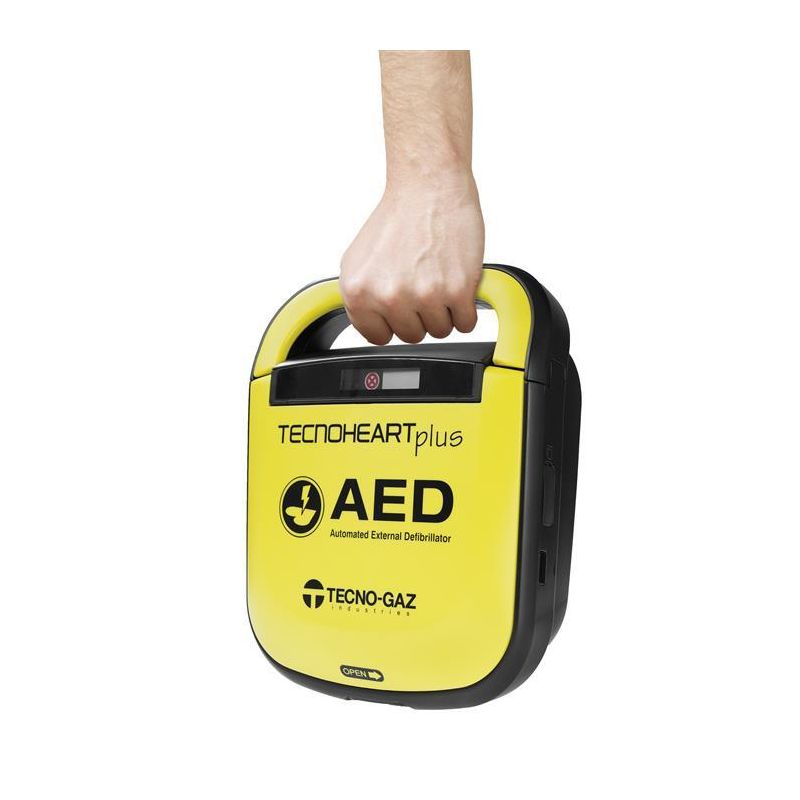
TECNO-GAZ DEFIBRILLATOR TECNOHEART PLUS
The maximum expression of flexibility are the semi-automatic AED defibrillators.
An extraordinary operational readiness
The maximum expression of flexibility are the semi-automatic AED defibrillators.
These models manage all operations autonomously, informing the rescuer of the activities that the device performs.
The activation of the discharges occurs in a SEMI-AUTOMATIC manner with the intervention of the operator, subject to verbalwarning by the system.
Strategic placement of the device
Placing defibrillators so they can be easily seen and accessed is the first step towards effective and timely intervention.
Reduce the first shock delivery time
The goal is to deliver the first shock within 4 minutes.
TecnoHeart Plus and its features guarantee extraordinary operational readiness.
Universal defibrillator
Selector for adults and children without the need to change plates
Defibrillator designed to work in accordance with the 2010 version of the guidelines established by AHA / ERC regarding
Cardiopulmonary Resuscitation (CPR) and Cardiovascular Emergency Treatment (ECC).
Guided vocal intervention procedures
A voice guides you throughout the intervention.
Features
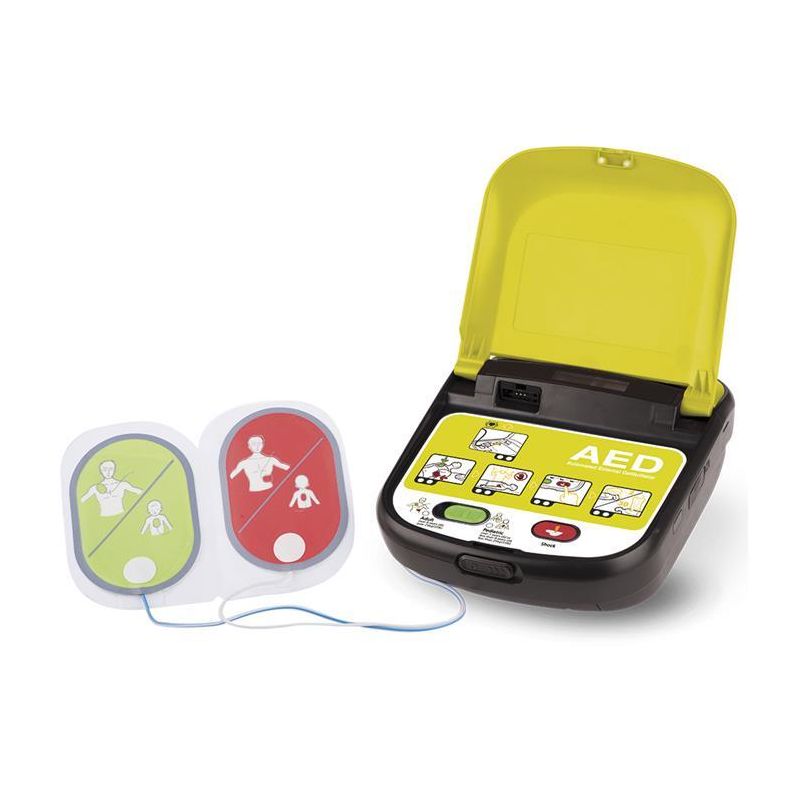
• Lid: The lid is for protecting action icons, patient mode button, shock button.
• Status indicator: the status indicator indicates the status of the unit, the temperature and the battery level.
• Pads Connector: The pads connector is used to connect the electrodes.
• Action icons: the LED indicator flashes red under the respective action icon.
• Patient mode switch: Once the user has identified the patient based on the type, select the patient mode between adult and pediatric using the patient mode switch.
• Shock Button: Once preparation for electric shock is complete, the shock button will flash. Press the shock button to deliver the electric shock.
• Sliding button: The sliding button is used to open the lid, to switch on, push the sliding button to the right.
• SD card slot: The SD card is used to save data and update the AED firmware.
• Infrared communication port: The Infrared communication port is used to communicate with the PC.
TECNOHEART THE LIFE-SAVING DEVICE
• Guide voice: for a simple and assisted use.
• SD card: archiving activities for legal protection.
• Soft case: protection from bumps and scratches.
• Long life limno2 battery: 5 years, 200 discharges.
• Battery indicator: always allows you to understand the battery level.
• Critical component self-test: allow the efficient maintenance of the equipment functionality.
• Impedance calculation: verification of the integrity of the AED contact with the patient.
• Display screen: allows you to read the instructions if you are unable to hear the guide voice.
• Biphasic shock: electric discharge that runs through the heart first in one direction and then in the other.
• Software heart on: it is used to organically store data on the use of the dae as well as allowing the firmware to be updated.
• Pre-connected electrodes: reduce intervention times
• Battery: 200 electric shocks
• Irda communication port: allows PC - defibrillator communication
• Variable energy: adult (> 25 kg) from 185 to 200j child (<25 kg) from 45 to 50j
WHY ADOPT A DEFIBRILLATOR?
ETHICS
Ethics is the set of objective and rational foundations that make it possible to assign a deontological status to human behaviors or distinguish them as good, just, or morally lawful, with respect to behaviors deemed bad or morally inappropriate.
Being equipped and making life-saving devices available is a deontological dictate that transcends any other evaluation.
AWARENESS
The term awareness refers to the perception and cognitive reaction of man to the occurrence of a certain event.
The percentages of sudden deaths from caridovascular causes represent an average of more than 50% of total deaths.
OBLIGATION
The term obligation, used in everyday language as a synonym for duty, has a more specific meaning in law: it designates the subjective legal situation of the subject who must have a certain behavior imposed by the law in the interest of other subjects.
The possession of life-saving devices is mandatory for many facilities and it has become "de facto" an obligation for medical and health sectors where the type of professional practice exposes the population to a cardiovascular risk.
WHAT IS CARDIAC ARREST?
By Cardiac Arrest we mean a sudden cessation of the pumping functions of the heart that leads to death if not adequately and promptly treated.
Cardiac arrest can be attributable to various causes but in most cases it is attributable to ischemic heart disease.
A person experiences cardio-respiratory arrest when:
- she is unconscious;
- does not breathe spontaneously (or has a gasping breath);
- it is not possible to detect the pulse in the carotid artery.
The presence of one of the two is enough to start the BLS (Basic Life Support) sequence. Even if the term
Cardiac Arrest is often used as a synonym for sudden death, it is better to use the term Cardiac Arrest to indicate the sudden loss of heart function.
In fact, cardio-pulmonary resuscitation (CPR) maneuvers, when promptly and correctly implemented, can reverse Cardiac Arrest and thus restore life to the patient.
Commonly we speak of cardiac arrest but it would be more correct to speak of Cardio-Respiratory Arrest (ACR) as the respiratory and cardio-circulatory function are closely interconnected with each other and the cessation of either of the two is quickly followed by the arrest of the other.
In fact, a primary circulatory arrest is quickly followed by a respiratory arrest; conversely, a cessation of respiratory activity invariably follows the rapid deterioration of cardiac activity with consequent arrest.
The sudden stop of circulation is followed within 30-45 seconds by respiratory gasping, apnea and the onset of dilation of the pupils; within 45 seconds the pupils dilate completely.
When the primary event is respiratory arrest, the blood becomes progressively poorer in oxygen and within a few minutes we reach asystole or ventricular fibrillation with consequent cessation of the heart pumping activity.
It is therefore understood that the resuscitation measures for each of these two emergencies must include both ventilation and circulation.
TIME IS A CRITICAL FACTOR
Many studies have shown the importance of the time that separates the moment of collapse from defibrillation and the effects of cardiopulmonary resuscitation (CPR) performed by those present in relation to the survival of a person victim of ventricular fibrillation.
Every minute between collapse and defibrillation decreases the chances of survival for victims of cardiac arrest and ventricular fibrillation by 7 to 100 percent if CPR is not performed.
Ventricular fibrillation rarely normalizes on its own.
The intervention of a defibrillator is essential to save life.
Make sure you have one available when you need it.
ACCESSORY AVAILABLE :
TECNO-GAZ ELECTRODES FOR DEFIBRILLATOR TECNOHEART PLUS-DIFFERENT MEASURES
TECNO-GAZ REPLACEMENT BATTERY FOR DEFIBRILLATOR TECNOHEART
Reviews
19 other products
-
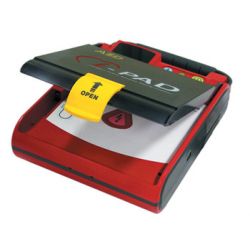
1 149,99 € +IVA
-

iPad CU-SP1 DEFIBRILLATOR - AED
994,21 € +IVA
-
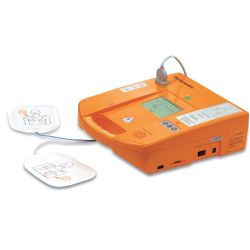
CU MEDICAL DESFIBRILADOR SEMIAUTOMÁTICO CU-ER1 - CON MONITOR Y BATERIA RECARGABLE
2 882,99 € +IVA
-
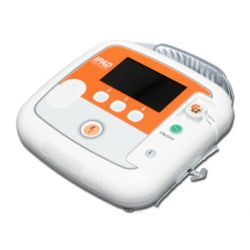
MEDICAL DEFIBRILLATOR SEMI-AUTOMATIC I-PAD CU-SP2
2 356,14 € +IVA
-

GIMA RESCUE SAM AED DEFIBRILLATOR
1 289,99 € +IVA
-
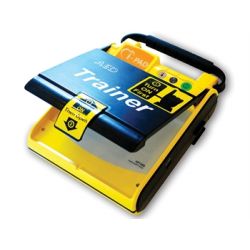
916,79 € +IVA
-

MORETTI CU-HD1 AED DEFIBRILLATOR - ECG 3 LEAD
9 439,99 € +IVA
-

MORETTI CU-HD1 AED DEFIBRILLATOR - ECG 3 LEAD + SPO2 + PACER
11 769,99 € +IVA
-

MORETTI CU-HD1 AED DEFIBRILLATOR - ECG 3 LEAD + SPO2 + PACER ECG 12 LEAD
12 999,49 € +IVA
-

MORETTI NIBP MODULE FOR LTD740 - LTD742 - LTD744 DEFIBRILLATORS
3 139,79 € +IVA
-

CA-MI DEFIBRILLATOR SAVE LIFE LINE -HEART PLUS
1 223,13 € +IVA
-

INTERMED SEMIAUTOMATIC CARDIAID DEFIBRILLATOR
1 444,62 € +IVA
-
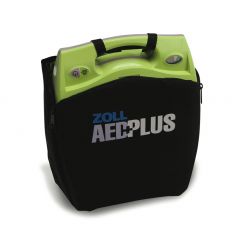
ZOLL AED PLUS DEFIBRILLATOR WITH COVER - BATTERY - ADULT ELECTRODES ( 1PAIR)
989,99 € +IVA
-
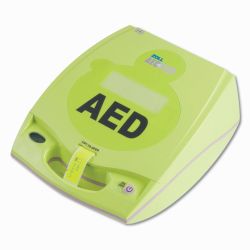
ZOLL AED PLUS DEFIBRILLATOR WITH COVER - BATTERY - PEDIATRIC AND ADULT ELECTRODES
1 029,99 € +IVA
-
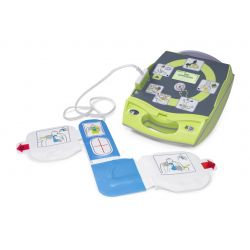
ZOLL AED PLUS DEFIBRILLATOR WITH COVER - BATTERY - CPR ELECTRODE
1 039,99 € +IVA
-
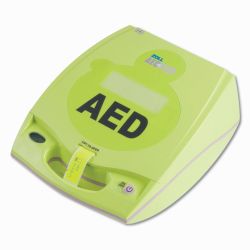
ZOLL AED PLUS DEFIBRILLATOR WITH COVER - BATTERY - CPR AND PEDIATRIC ELECTRODES
1 123,99 € +IVA
-

ZOLL AED PLUS/PRO PEDIATRIC ELECTRODES FOR AED PLUS ZOLL (1 PAIR)
87,99 € +IVA
-

ZOLL AED PLUS/PRO ADULT ELECTRODES FOR AED PLUS ZOLL (1 PAIR)
63,79 € +IVA
-

644,62 € +IVA
SOCIAL NETWORK


PAYMENTS ACCEPTED


